
1350 W 7th St B, San Pedro, CA 90732
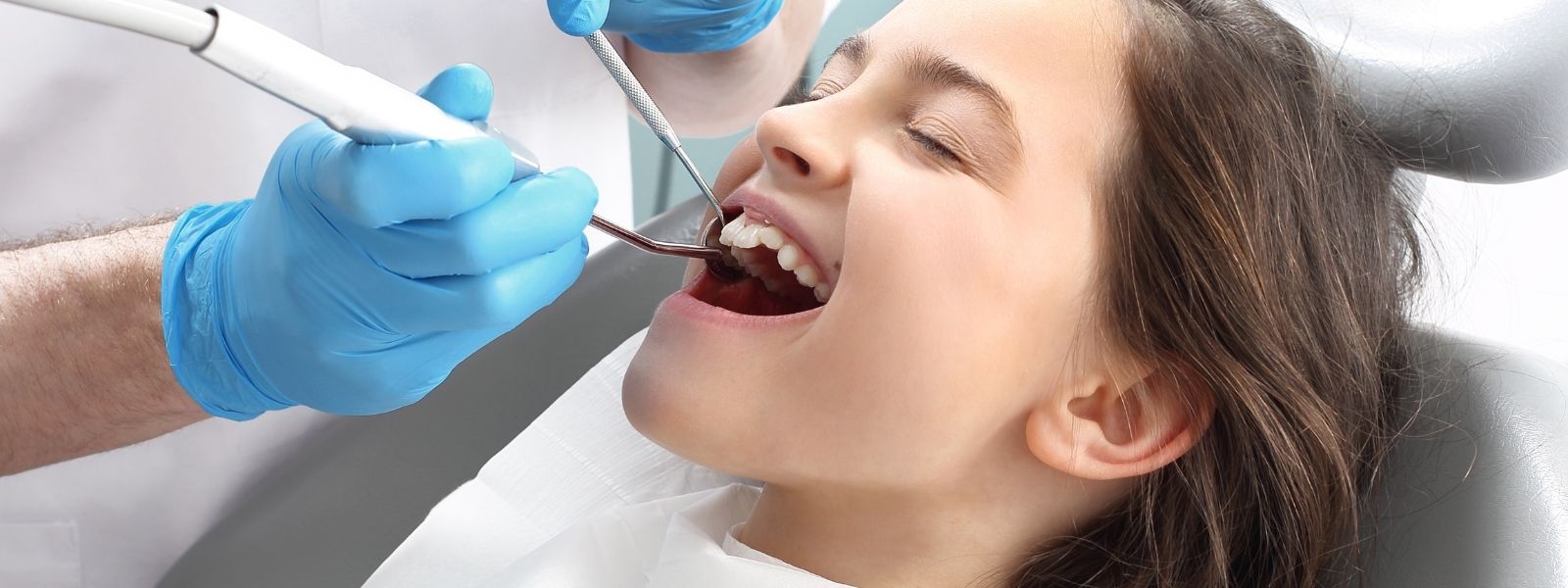
Young Girl at Dental during a procedure
Crowns
Home » Crowns

The value and power of dental crowns for kids

Dental crowns are not “just” for adults. They also have an important place and role at a children-only dental practice like Groat Pediatric Dentistry. From our “home” in San Pedro, California, Dr. Christopher Groat may recommend crowns for kids to address various situations. In the shorter term, they can help get your child out of pain and ease other distressing symptoms. Over the longer term, they support the health, function, and beauty of your child’s smile well into their later years. 

Crowns for Kids

All crowns are generally dental materials precisely prepared and shaped to cover up a natural tooth. The tooth may have been damaged by trauma, such as fractures caused by accidents, blows to the face during sports, or chronic conditions like dental decay. Any damaged tissue is removed, and the tooth is reshaped before the crown is placed.

The specific material used to build up the tooth with a crown depends on various factors, including the location and function of the tooth. At our practice, we use both metal and non-metal materials, including ceramics like zirconia and stainless steel. Dr. Groat can recommend the best option for your child. 

Once the crown has been made, it is fixed securely to the natural tooth. It is designed to fit on top of the entire visible part of the tooth, starting at the gum line. So, restoring a tooth with a crown is considered a more extensive alternative than a cavity filling. However, these more conservative options may not be suitable for your child if the tooth has sustained more severe damage. Crowns may be the only way to preserve a badly cracked, broken, traumatized, decayed, or infected tooth. By placing a dental crown, tooth extraction or removal is avoided, as is the need for space maintainers.

Crowns FAQs

When is a dental crown the best option for a child’s tooth?

A dental crown is usually recommended when a tooth has lost too much structure to be supported by a standard filling. This can happen due to advanced decay, breakage, or repeated damage. In these situations, a crown provides full coverage and helps restore strength to the remaining tooth. Rather than patching a weakened area, the crown reinforces the entire surface. Your dentist will recommend this option when it offers the most reliable way to maintain the tooth’s function and avoid further complications.

Do baby teeth really need crowns if they will eventually fall out?

Even though baby teeth are temporary, they play a critical role in your child’s development. They help maintain space for permanent teeth, support chewing, and contribute to clear speech. If a baby tooth becomes significantly damaged, restoring it with a crown can help preserve those functions until it naturally falls out. Leaving the tooth untreated may lead to discomfort or early loss, which can affect alignment later. Protecting baby teeth helps support a smoother transition as permanent teeth come in.

What materials are used for children’s dental crowns?

Pediatric crowns are made from materials chosen for both durability and practicality. Stainless steel is commonly used for back teeth because it holds up well under pressure and everyday use. For more visible areas, tooth-colored options such as zirconia provide a more natural appearance. The right material depends on the tooth’s location and how it is used. Your dentist will guide you through the available options to ensure the restoration meets both functional and aesthetic needs.

Will a crown feel different from a natural tooth?

A crown is shaped to match the natural contours of the tooth, so it should feel comfortable once your child adjusts to it. Initially, your child may notice a slight difference when biting or chewing, but this usually fades quickly. The goal of a crown is to restore normal function, not disrupt it. After a short adjustment period, most children forget it is even there. The restored tooth should feel stable and allow for normal eating and daily activities without discomfort.

How should my child care for a tooth with a crown?

Caring for a crowned tooth is very similar to caring for natural teeth. Your child should continue brushing twice daily and flossing regularly to keep the surrounding areas clean. It is also helpful to avoid habits such as chewing on hard objects, which can put extra stress on the restoration. Routine dental visits allow the dentist to check that the crown remains secure and in good condition. Consistent care helps protect both the crown and the underlying tooth.

Can crowns help prevent future dental problems?

Yes, crowns can play an important role in preventing further damage. By fully covering a weakened tooth, they reduce the risk of additional breakage or decay spreading deeper. This added protection helps maintain the tooth’s structure and function over time. In many cases, placing a crown early can prevent the need for more involved procedures later. It allows the tooth to continue doing its job while minimizing the chances of complications that could affect surrounding teeth or overall oral health.

What are the consequences if a dental crown becomes loose or is damaged?

If a crown becomes loose, chipped, or damaged, it is important to contact your dental office as soon as possible. A compromised crown may no longer fully protect the tooth underneath. In many cases, the issue can be corrected quickly, whether that means re-securing or replacing the crown. Avoid having your child chew on the affected side until it is evaluated. Prompt attention helps prevent further damage and ensures the tooth continues to function properly without unnecessary discomfort.

Crowns may also be appropriate for both baby and adult teeth. While temporary, baby teeth serve many essential functions for your growing child. In part, they help to guide the permanent or secondary teeth into their correct positions. This helps your child avoid the need for complex orthodontic treatment and other complications, such as excessive wear and tear to the teeth caused by resulting bite imbalances. 

Also, baby teeth support proper and healthy speech and chewing during their critical growth years. It is important that we protect them, and Groat Pediatric Dentistry has an array of options at our office in San Pedro, CA, to do just that. 

But why react and treat existing problems when you can get ahead of them and prevent them? Call (310) 731-1227 to schedule your child’s check-up today!

Dr. Christopher Groat best pediatric dentist near me

Christopher A. Groat, DDS

Dr. Christopher Groat is a board-certified pediatric dentist with an impressive 16 years of clinical experience, including 12 years as a specialist. An Arthur A. Dugoni School of Dentistry graduate, Dr. Groat completed his pediatric residency at Children’s Hospital Colorado, gaining expertise in treating children with unique needs. He is a diplomate of the American Board of Pediatric Dentistry and a member of the American Academy of Pediatric Dentistry, California Dental Association, and more. Dr. Groat has volunteered at various free dental clinics, committed to giving back, providing compassionate care to underserved communities.

See What Parents Are Saying!

Office Hours

Monday:
8.00 AM – 5.00 PM
Tuesday:
8.00 AM – 5.00 PM
Wednesday:
8.00 AM – 2.00 PM
Thursday:
8.00 AM – 5.00 PM
Friday:
9.00 AM – 1.00 PM
Saturday:
Closed
Sunday:
Closed